
With years of experience in digital safety, Tom breaks down complex cyber threats into plain-language advice, helping families protect their life savings from modern fraud.
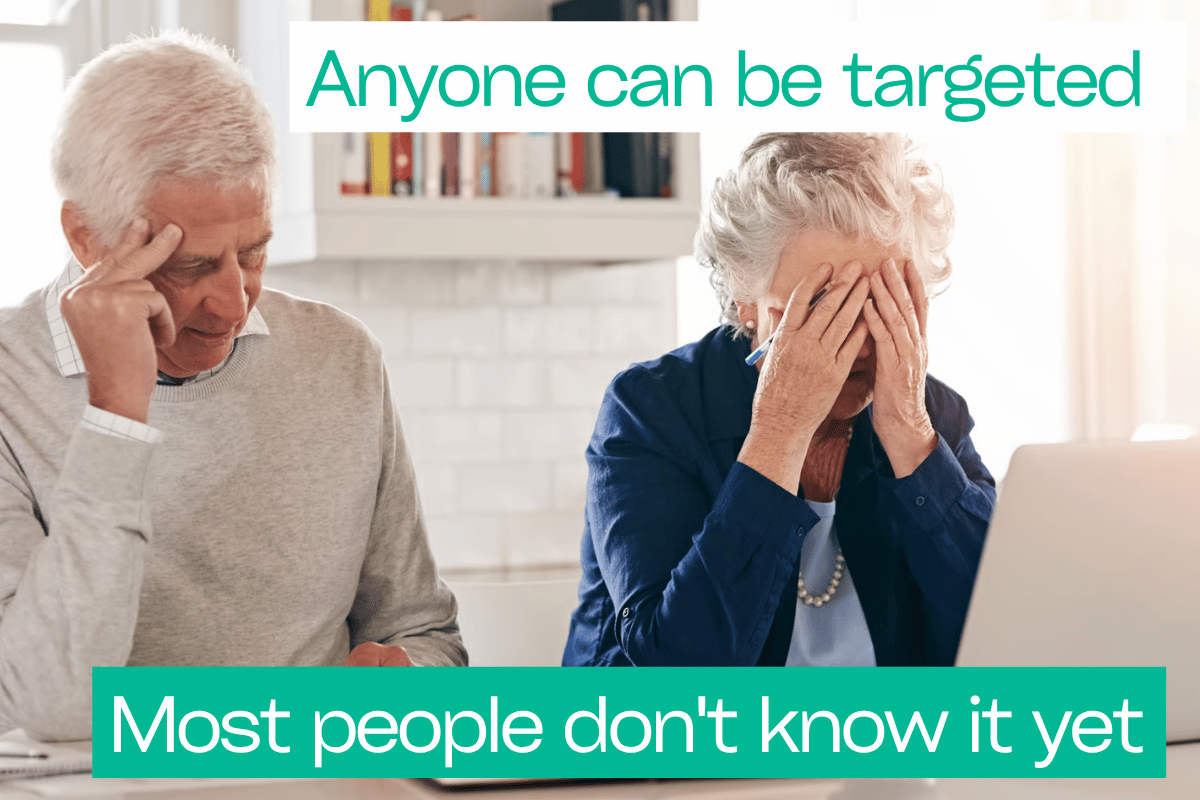
AI voice scams are no longer a strange future threat. They are already being used to imitate family members, authority figures, and trusted companies in ways that sound frighteningly real.
That matters even more because scammers do not need to hack your device if they can pressure you into acting quickly. The FTC warns that voice cloning scams often work by making a call sound like a loved one in trouble and then demanding money or personal information right away.
One recent survey found that about 1 in 4 Americans reported receiving a deepfake voice call in the last year, while another 24% were not sure they could tell a fake call from a real one.
Message from Family Scam Shield
See Family Scam Shield PlansScam calls are getting more believable. Family Scam Shield helps you stay ready with plain-language scripts, weekly scam updates, and urgent alerts when new threats start spreading.
What is an AI voice scam?

An AI voice scam, also called a voice cloning scam or deepfake voice scam, uses artificial intelligence to copy the sound of a real person’s voice. Scammers can use that fake voice to pretend they are your child, grandchild, bank representative, boss, or someone from a government office.
The goal is usually the same: create panic, rush you into action, and stop you from pausing long enough to verify the story. In many cases, the caller says there is an emergency, a payment problem, or a safety issue that must be handled immediately.
That is why these calls are so dangerous. They do not just sound technical - they sound personal.
Why this scam is getting worse
Scammers are combining AI voice cloning with caller ID spoofing, impersonation tactics, and highly polished scripts, which makes phone scams much harder to spot than older robocalls. The FTC has specifically warned that cloned voices can be used to make fake emergency calls from “family members” much more believable.
This is not a small issue. Reporting in 2026 on recent FBI figures said older Americans reported about $7.7 billion in scam losses in 2025 alone, and separate research points to adults 40-59 - not just retirees - now facing the highest overall targeting rate of any age group. Separate 2026 reporting also noted that AI-enabled fraud topped $893 million in 2025, with distress scams and tech-support scams remaining especially damaging.
And the wider fraud ecosystem is growing fast. The United Nations warned in March 2026 that scam networks are weaponising AI for deepfakes and voice cloning as part of criminal operations generating billions in illicit flows.
Why AI voice scams work
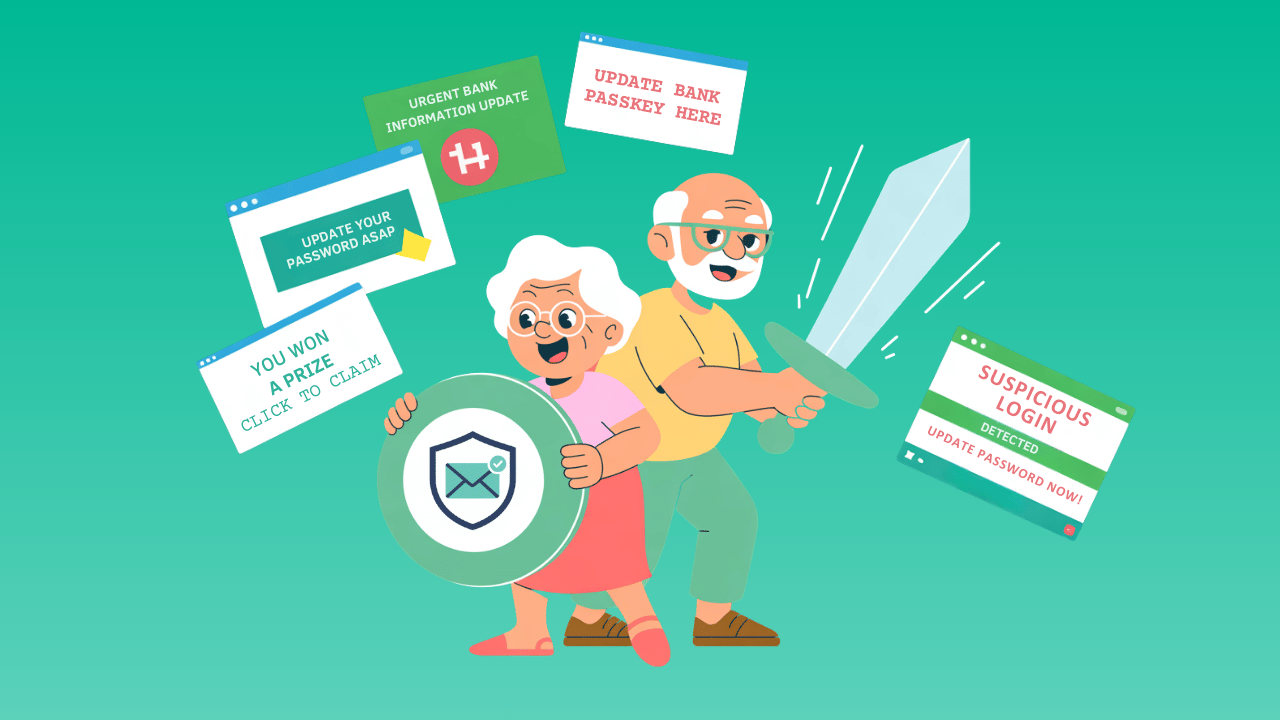
Scammers go after anyone who manages a household's money and bills, not just retirees. Fixed-income households and retirement savings can be easier to pressure with fear-based messages, which is part of why older adults report especially heavy losses, but the same pressure tactics work on parents, spouses, and anyone who still trusts a familiar-sounding voice on the phone more than a text or social media message.
Phone-based scams are still a major part of the fraud problem. Your uploaded template article also highlights that caller spoofing, fake bank calls, fake council or tax demands, and impersonation scams remain common, while AI and vishing tools make them cheaper and easier for criminals to run.
In short, scammers do not just want your money. They want your trust for a few rushed minutes.
5 warning signs of an AI voice scam
1️⃣ The call creates immediate panic
If the caller says, “Don’t hang up,” “I need money now,” or “You must act in the next few minutes,” slow down. Real emergencies still allow time to verify.
2️⃣ The caller wants secrecy
Scammers often say, “Don’t tell anyone yet,” because they know another family member could expose the lie.
3️⃣ The payment method is unusual
Gift cards, wire transfers, crypto, payment apps, or urgent bank transfers are classic red flags.
4️⃣ The story sounds emotional but slightly off
Even a cloned voice may use odd phrasing, unusual urgency, or details that do not quite fit.
5️⃣ You are being pushed to act before you can verify
That is the heart of the scam. Pressure first, thinking later.
What to do if you get one of these calls
If you think a voice call might be fake, use this simple rule: hang up, slow down, verify.
Try these steps:
1️⃣ Hang up immediately.
2️⃣ Call the person back on the number you already know is real.
3️⃣ Contact the bank, company, or relative through an official number or saved contact.
4️⃣ Never send money, codes, or account details during a panic call.
5️⃣Write down what happened in case you need to report it later.
You do not need to win an argument with the scammer. You only need to break the pressure loop.
A simple script you can use
If you freeze in the moment, keep this sentence nearby:
“I never send money or share codes on an unexpected call. I will hang up and contact the person directly.”
That one line can save you from making a rushed decision. This is also why many readers like having weekly scam alerts and scripts in plain English instead of trying to remember scattered advice from different websites.
Shield Your Family from Scams
Family Scam Shield gives you simple monthly updates on new fraud tactics, plus easy phrases to use when something feels off.
Get Weekly Scam Alerts
Real numbers behind the threat
This problem is not exaggerated. It is accelerating.
✅ The FTC has warned that harmful voice cloning is being used in scams where someone who sounds like a loved one begs for urgent help or money.
✅ About 25% of Americans said they received a deepfake voice call in the last year, according to a 2026 survey cited by Hiya.
✅ Older Americans reported around $7.7 billion in scam losses in 2025, according to reporting based on recent FBI data.
✅ AI-enabled fraud topped $893 million in reported losses in 2025, and voice cloning is increasingly being layered into fraud attacks.
✅ The UN says organised scam operations are now using AI for deepfakes and voice cloning as part of a much larger criminal infrastructure.
How to stay one step ahead
Technology can help, but it is no longer enough on its own. The real protection comes from recognizing the scam pattern before fear takes over.
That means:
✅ learning the latest tricks scammers are using,
✅ knowing what to say when a call feels wrong,
✅ staying updated when new scam trends appear,
✅ and having a simple routine for verifying emergencies.
That is the quiet advantage of a service like Family Scam Shield. It does not promise magic software. Instead, it helps people stay informed, spot red flags faster, and avoid being rushed into the wrong move.
Final thought
The most dangerous scam is often the one that sounds believable enough to make a careful person panic.
AI voice scams are getting better, not worse. So if you want a safer routine, clearer scripts, and simple alerts when new scam patterns emerge, it helps to have one trusted place that keeps everything easy to follow.
Want a calmer way to stay protected?
Our friendly team provides 24/7 support to help you keep your family safe. Get full access completely free for 30 days, then it's just $9 a month to protect your household. You can cancel your subscription at any time.
Start 30-day free trial
Sources:
FTC harmful voice cloning alert:
UN report on deepfakes, voice cloning and organised scam networks: